Flamenco’s heritage lives in the exchange between singer and dancer
UNESCO’s listing describes a tradition carried through performance and teaching.
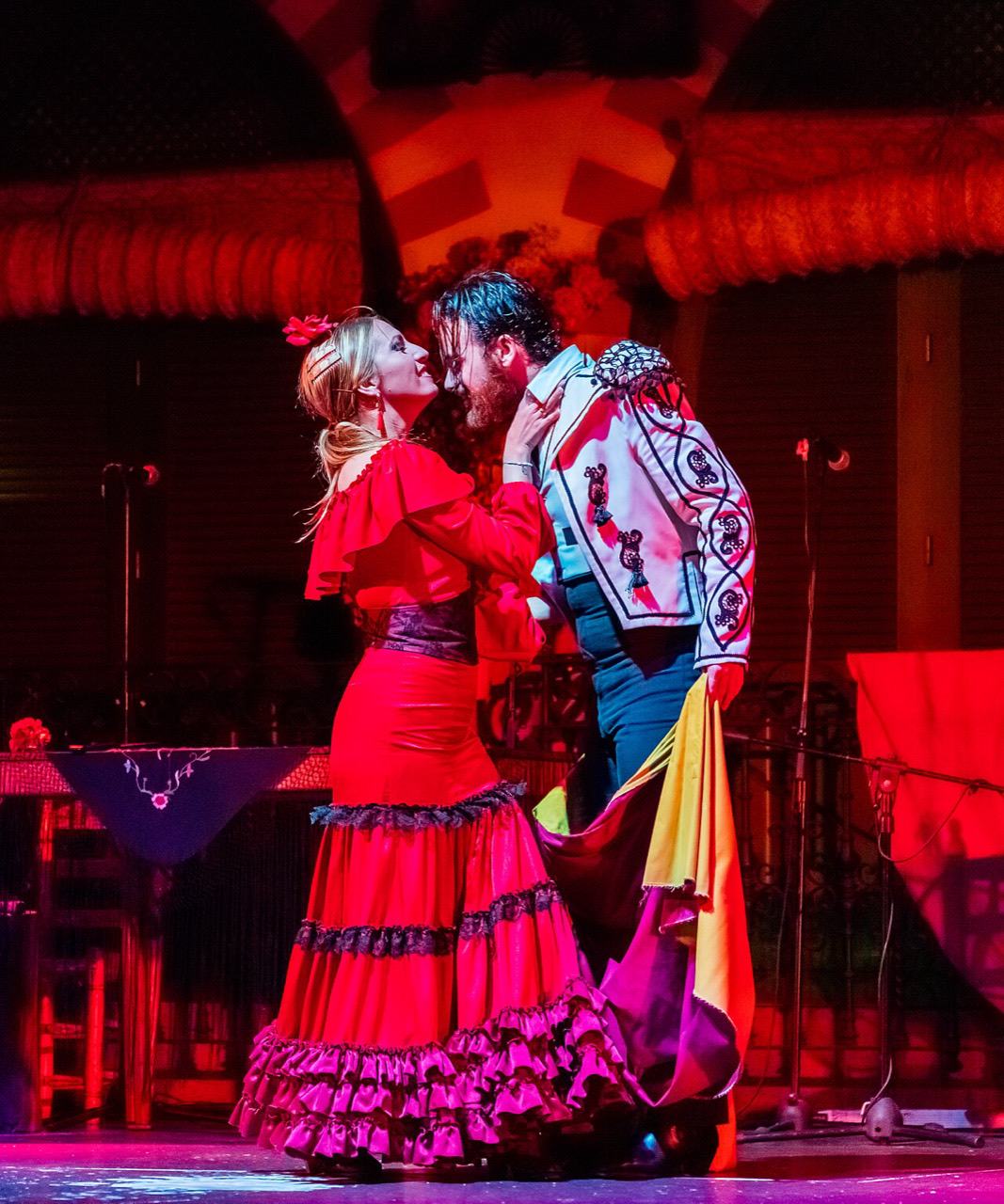

Flamenco brings together singing, dance and instrumental performance. UNESCO describes Andalusia as its heartland, with roots in Murcia and Extremadura as well. The tradition has been shaped by communities including Spain's Roma.
Its performance can be intimate or public. A singer's phrasing, a dancer's footwork and the guitar interact through timing and rhythm. UNESCO inscribed flamenco on its intangible heritage list in 2010, recognizing the practices and knowledge passed on by performers, families and associations.